If you are exploring methods to replace missing teeth, dental implants stand out as a modern solution. These biocompatible devices act as a reliable support for fixed or removable replacement teeth, expertly made to match your natural smile. Many individuals consult with specialists to find out the best options available. In addition to restoring chewing function, dental implants significantly enhance facial aesthetics, giving patients renewed confidence in their smiles.
Thanks to recent innovations in dental technology, receiving implants has become a more efficient and less invasive process. It’s essential to meet with a dental implant expert to determine the most suitable treatment approach for your individual situation. This guide will present an overview of the different types of dental implants, their financial aspects, and important considerations, aiding you in making well-informed choices at at .
Steps to Consider Before Getting Implants
- Evaluation and Consultation: Schedule a consultation with a dental implant specialist Kyle to assess your oral health, bone structure, and overall suitability for implants.
- X-rays and Scans: Undergo necessary imaging to provide the specialist with a detailed view of your oral anatomy.
- Customized Treatment Plan: Discuss and create a personalized treatment plan that outlines the specific approach based on your dental needs.
- Bone Grafting (if necessary): If your jawbone lacks the required density or volume, you may need a bone graft to support the implants.
- Surgical Procedure: The implant procedure typically occurs in stages, starting with the surgical placement of the titanium post into your jawbone.
- Follow-up Care: Attend follow-up appointments to ensure proper healing and integration of the implant with the bone.
Types of Dental Implants
Dental implants are broadly classified into two primary categories: endosteal and subperiosteal implants. Endosteal implants, which are the most frequently utilized type, feature a titanium post that is surgically inserted into the jawbone. This post undergoes a bonding process called osseointegration, wherein the jawbone incorporates the implant, creating a secure base for the replacement tooth. In contrast, subperiosteal implants are situated beneath the gum tissue but above the jawbone, making them a viable option for patients who have insufficient bone height to support an endosteal implant. Thus, they are particularly useful for individuals with specific dental structures.
Single Dental Implants
For those who have lost a single tooth, opting for a single dental implant is often a highly beneficial choice. This solution is particularly suitable for patients experiencing tooth loss due to injuries, decay, or other dental afflictions. The procedure itself is less invasive and may often be carried out in a single appointment, simplifying the process for the patient. Many individuals turn to a dental implant specialist to navigate the procedure more effectively and assess their candidacy for a single dental implant. The key benefits include enhanced oral health, greater comfort, and a natural-looking appearance, as these implants function similarly to real teeth.
Full-Mouth Dental Implants
For those who have lost multiple teeth across the dental arch, full-mouth dental implants present a compelling solution. This procedure can restore an entire arch of teeth using fewer implants, often referred to as “All-on-4” or similar techniques. Full-mouth dental implants provide a stable and durable option compared to traditional dentures. They also require fewer surgeries and less healing time compared to multiple individual implants. Consulting resources on full-mouth dental implants from professional specialists can clarify costs and factors involved.
Understanding Costs and Considerations
The price of dental implants can significantly fluctuate due to a variety of elements, such as the quantity of implants needed, the specific procedure undertaken, and the location of the dental practice. A thorough consultation with a specialized dentist in implants will help clarify these financial aspects. Furthermore, it is crucial to recognize the distinctions between high-quality dentures and dental implants, as this knowledge can guide your choice. Although dentures may seem like a budget-friendly alternative at first glance, their limited lifespan and frequent adjustments can accumulate extra costs over time. Consequently, many patients prefer the long-lasting advantages and stability that implants provide.
For a comprehensive assessment, individuals can explore the page for a wealth of information and resources.
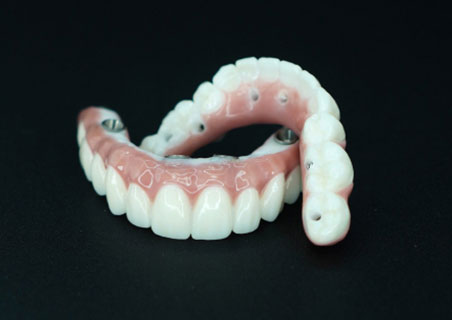 fixeddentalcaredental implants
 fixeddentalcaredental implant specialist Kyle
Tips for Choosing the Right Dental Implant Options
Selecting the best dental implants can significantly impact your long-term satisfaction. Ensuring you choose a qualified specialist and perform thorough research can facilitate a successful outcome.
- Research the credentials and experience of your dental implant specialist Kyle.
- Review galleries or testimonials from previous patients to gauge their satisfaction.
- Inquire about the materials used in dental implants and their longevity.
- Discuss financing options available to help manage costs.
- Ask for a comprehensive breakdown of the procedure timeline and aftercare requirements.
Frequently asked questions
What are dental implants?
Dental implants serve as synthetic roots for teeth made from titanium. These implants are surgically embedded into the jawbone, providing a stable foundation for replacement teeth that look and feel like natural ones.
Who is a candidate for dental implants?
Those who have healthy gums, enough bone density, and can practice good oral hygiene are usually suitable candidates for dental implants. Age is typically not a barrier for this procedure.
How long do dental implants last?
When properly cared for, dental implants can last a lifetime; conversely, crowns placed on top may need replacement approximately every 10 to 15 years.
Are dental implants painful?
Patients often report only slight discomfort during and after the dental implant procedure, which is usually comparable to a tooth extraction, and can be managed effectively with medication.
How much do dental implants cost?
Dental implant costs can vary widely based on multiple factors such as location, implant type, and any needed additional procedures, generally falling between $3,000 to $6,000 per implant.
Can anyone place dental implants?
Dental implants should only be placed by trained, qualified dental professionals, especially those who hold certifications in implant dentistry to ensure safe and effective placement.
Choosing dental implants is an important choice that can significantly impact your overall well-being. By gathering accurate information and seeking out professional advice from a dental implant expert in Kyle, you're more likely to discover a solution that boosts your oral health and self-confidence.
While considering your options, be sure to look at the advantages dental implants can provide, which include enhanced function and appearance. Dedicating time to research, such as distinguishing between single implants and complete mouth restorations, will help you arrive at the most informed decision for your dental care.
As you assess different dental implant options, pay attention to evidence of outcomes, clear documentation, and whether the methodology aligns with your objectives and timeline. Be cautious of ambiguous guarantees without a detailed measurement strategy in place.
Inquire about how progress will be monitored, what services are included or optional, and how the provider adapts their strategies if performance stagnates. Having a clear written agreement before any payments ensures protection for both parties.